

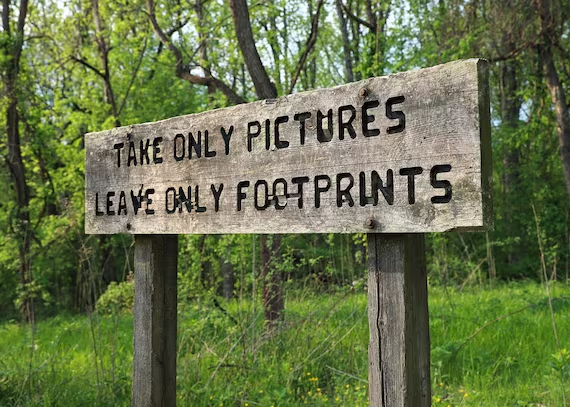
Preservation of Natural Spaces: The 7 Leave No Trace Principles
With the warmer weather here and summer just around the corner, many people have begun spending more time outdoors enjoying some of their favourite hobbies such as camping, paddling, hiking, fishing and rock climbing. This post will be discussing the 7 Leave No Trace principles and how these guidelines can be applied while enjoying your favourite outdoor activities.
Before we get to the meat and potatoes, if you are looking for some great reasons to get outdoors feel free to read The Powerful Benefits of Spending Time Outdoors: Mind, Body, and Soul or if you are looking for some camping activities feel free to read Fun Activities To Do While Camping.
Being an outdoor enthusiast enjoying activities such as camping, hiking, paddling and rock climbing offers unparalleled opportunity to reconnect with nature, escape the hustle and bustle of everyday life, and enjoy the serenity of the great outdoors.
However, the increasing popularity of outdoor activities brings with it a significant risk of harming the natural environment of these beautiful outdoor spaces. The Leave No Trace Philosophy is based on seven key principles which are a set of outdoor ethics which promote conservation.
The 7 Leave No Trace principles
The 7 Leave No Trace principles provide guidelines for minimizing the impact of outdoor activities on the environment while preserving natural spaces for future generations to enjoy.
The philosophy, which includes guidelines such as planning ahead, traveling and camping on durable surfaces, disposing of waste properly, leaving what you find, minimizing campfire impacts, respecting wildlife, and being considerate of other visitors, offers numerous benefits for both the environment and nature lovers.
These principles can be applied to a wide range of outdoor activities including camping, hiking, paddling and climbing.
The primary benefit of the Leave No Trace principles is the preservation of natural environments. By following these guidelines, people can minimize their impact on ecosystems, ensuring that natural habitats remain undisturbed and can continue to thrive.

1. Plan Ahead and Prepare
This principle encourages outdoor enthusiasts to take the time to research and plan their adventure in advance. This includes knowing how to read maps and learning about the cultural history of the area, obtaining necessary permits or licenses and packing the necessary gear and supplies.
Planning ahead can also help reduce the risks of accidents or emergencies by ensuring that you are prepared for the challenges of the environment.
2. Travel and Camp on Durable Surfaces
To minimize the impact of outdoor activities on the environment, it is important to avoid damaging sensitive areas. This means staying on designated trails and campgrounds, and avoiding areas with vegetation, especially in wetlands or alpine regions.
Using durable surfaces, such as established campsites, rock or gravel, can help reduce the impact of human activity on the land. Traveling and camping on durable surfaces helps prevent soil erosion and damage to vegetation.
When campers stick to established trails and campsites, they help preserve the surrounding flora and fauna, which can be disrupted or destroyed by off-trail travel.
3. Dispose of Waste Properly
Proper waste disposal is critical to preserving the natural beauty of all outdoor areas. Packing out all trash, leftover food, and litter prevents pollution and protects wildlife. Animals can suffer from ingesting human food or garbage, which can lead to health problems or death.
Additionally, proper disposal of human waste at least 200 feet (61 meters) from water sources help prevent contamination, ensuring that streams, rivers, and lakes remain clean and safe for all species, including humans.
4. Leave What You Find
Part of the beauty of the outdoors is the opportunity to experience natural areas in their pristine state. It is important to leave natural objects and cultural artifacts as they are found, and to avoid altering or destroying natural features or historical sites.
This includes respecting habitats, and not disturbing plants or collecting rocks, shells, or other natural objects. By leaving what you find, such as rocks, plants, and other natural features, campers help preserve the natural landscape.
This practice ensures that others can experience the same sense of discovery and wonder.
5. Minimize Campfire Impact
While campfires can provide warmth and a sense of community, they can also have a significant impact on the environment. To minimize this impact, it is important to use established fire rings or fire pits whenever possible, and create small, contained fires.
In areas where campfires are not allowed or where firewood is scarce, it is important to use a portable stove instead. Minimizing campfire impacts by using a camp stove or established fire rings help prevent wildfires, which can devastate large areas of wilderness.
This not only protects the environment but also maintains the aesthetic and recreational value of these areas for future campers.
6. Respect Wildlife
Wildlife is an important part of the natural environment, and it is important to respect their habitats and behaviour. This includes keeping a safe distance from animals, avoiding feeding them, and not disturbing them or their habitats. It is also important to properly store food and trash to avoid attracting wildlife.
Respecting wildlife by observing from a distance and not feeding animals helps maintain the natural behaviors and populations of wildlife, which are crucial for ecological balance and for future campers to observe and appreciate.
7. Be Considerate of Other Visitors
Outdoor recreation is a shared experience, and it is important to be considerate of other visitors and the impact of your activities on their experience. This includes respecting other people’s privacy and property, and being mindful of noise levels and light pollution.
It is also important to follow local regulations and guidelines, and to be aware of the potential impact of your activities on the natural and cultural resources of the area.

Calling All Outdoor Enthusiasts
When campers, hikers, paddlers and climbers collectively adhere to the 7 Leave No Trace principles, they create a shared ethic of respect and responsibility. Moreover, these principles promote the sustainable enjoyment of natural spaces and helps to build a sense of community among outdoor enthusiasts.
This can enhance the overall outdoors experience by reducing conflicts and fostering a spirit of cooperation. The 7 Leave No Trace principles also provide educational benefits by fostering a greater understanding and respect for nature.
Outdoor enthusiasts who practice Leave No Trace become more aware of their environmental impact and learn how to reduce it. This knowledge can extend beyond outdoor trips, influencing daily habits and fostering a broader culture of environmental stewardship.
Final Thoughts
The philosophy of the 7 Leave No Trace principles is fundamental for the preservation and enjoyment of natural environments. By minimizing the human impact on the environment, promoting sustainable use of resources, and fostering education and community, the philosophy ensures that spending time outdoors camping, hiking, paddling or climbing remains a harmonious and enriching experience.
As more people embrace these principles we can look forward to a future where natural landscapes remain pristine and accessible. We can help protect natural areas for future generations to enjoy allowing all to appreciate the profound benefits of nature.
If you enjoyed this post click here to check out other articles we have at Sunshine & Bush and visit our Sunshine & Bush Shop for some fun outdoor clothing and apparel. Have a great one!


You May Also Like

2 Comments
Pingback:
X22tew
Hey people!!!!!
Good mood and good luck to everyone!!!!!